
A quiet, powerful story about love, responsibility, and what family really means
Have you ever watched a movie that just sits with you for days afterward? One that doesn’t try to wow you with explosions or big dramatic moments, but instead wraps itself around your heart so gently that you don’t even realize you’re crying until the tears are already falling? That’s what Wildflower did to me.
This isn’t your typical coming-of-age story. It’s something much more tender, much more real, and honestly, much more beautiful than I expected when I pressed play.
The movie follows Bea, a girl whose life has been extraordinary from the very beginning. Her parents, Sharon and Derek, love her fiercely and completely. But they also have intellectual disabilities, which means they experience and understand the world differently than most people. And this one fact shapes everything about Bea’s life – in ways both wonderful and heartbreaking.
:max_bytes(150000):strip_icc():focal(749x0:751x2)/wildflower-kiernan-shipka-022323-3-b382f4b3c06a4446a28066bbd78df860.jpg)
From the moment Bea was born, she became part of a home overflowing with love. Her parents adore her. They celebrate her. They want the absolute best for her. But they also need help navigating daily life, and as Bea grows up, she becomes the one providing that help. By the time she’s a teenager, she’s not just their daughter – she’s also become their caretaker, their organizer, their bridge to a world that doesn’t always understand them.
The movie doesn’t rush through Bea’s childhood. We get to see her at different ages, and each stage reveals something new about who she is and who she’s becoming. As a little girl, she’s joyful and doesn’t see anything unusual about her family. This is just her normal. But as she gets older – as she goes to school, makes friends, starts noticing how other families work – she begins to understand that her life is different.
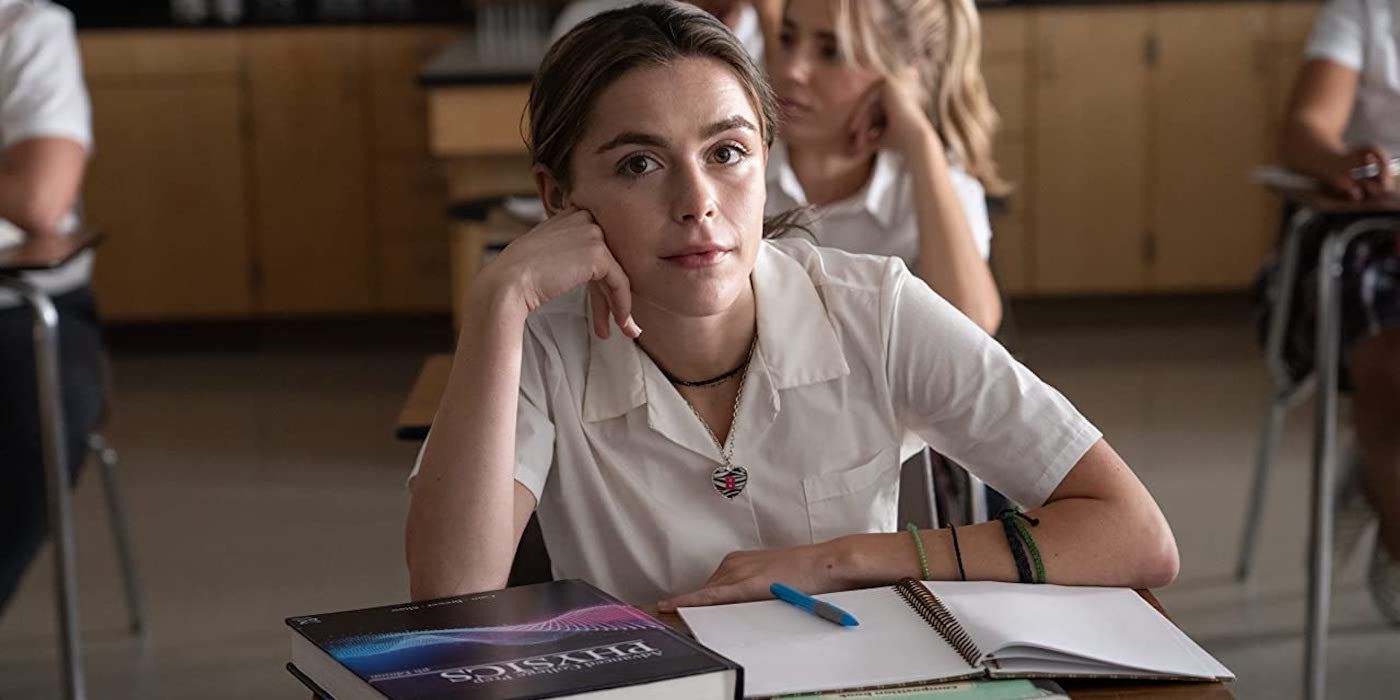
And here’s where the movie gets really emotional. Bea loves her parents deeply. You feel that in every single scene. When she’s with them, there’s this warmth, this gentleness, this pure affection that just radiates off the screen. But she’s also growing up. She’s becoming her own person with her own dreams. She wants to go to college. She wants to explore who she is beyond being her parents’ helper. And that creates this impossible tension inside her.
How do you chase your own future when you’re terrified about what will happen to the people you love if you leave?
That’s the question at the heart of this movie, and it’s one that so many people face in real life. Maybe not in the exact same way as Bea, but we’ve all felt that tug-of-war between responsibility and personal dreams, between loyalty to family and the need to become ourselves.
Kiernan Shipka, who plays Bea, is absolutely incredible in this role. She doesn’t just act – she embodies this character. You see the weight she carries in her eyes. You see the love in the way she talks to her parents. You see her frustration when things get hard, her guilt when she wants something for herself, her exhaustion from always being the grown-up in the room. Watching her performance, I felt like I was watching a real person, not an actress playing a part.
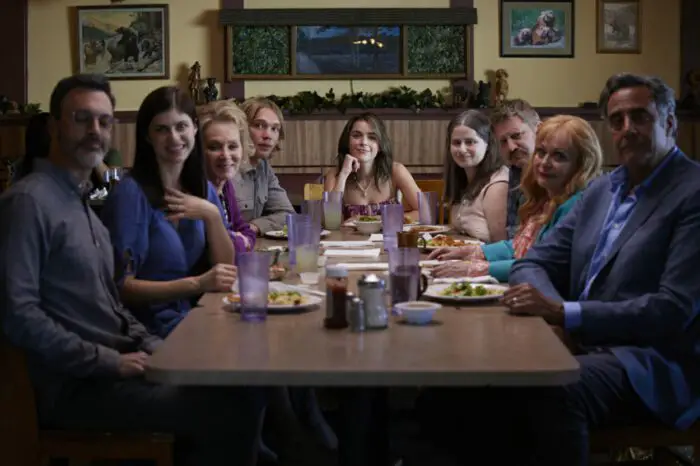
The parents are portrayed with such dignity and authenticity. They’re not stereotypes or caricatures. They’re fully realized people who have limitations, yes, but who also have joy, humor, love, and their own unique ways of seeing the world. The movie never asks us to pity them. Instead, it asks us to see them as people first – people who happen to need support, but who give so much in return.
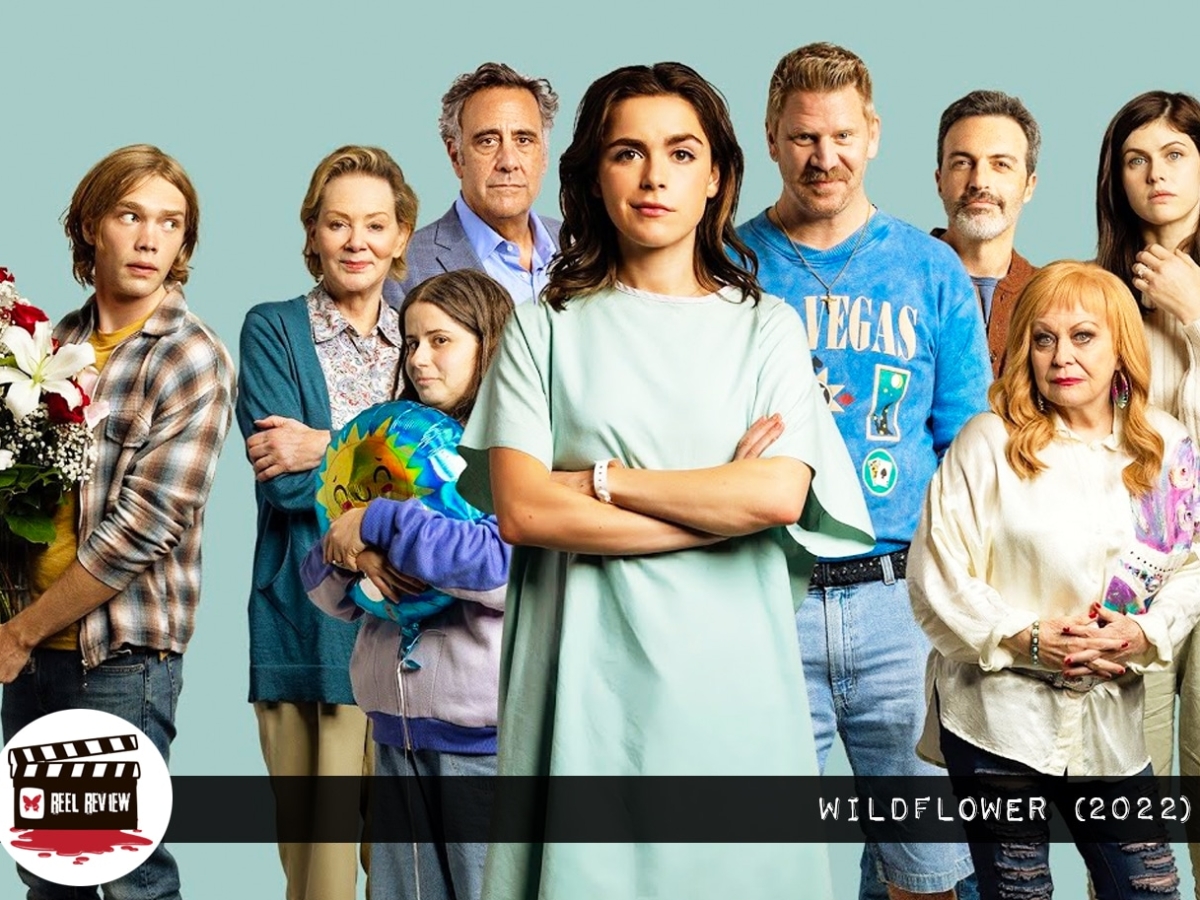
There’s an extended family around Bea too – aunts, uncles, a grandmother – who all help out. And this is where the movie gets interesting, because not everyone agrees on what’s best for Bea or her parents. Some family members think the situation is too much for a kid to handle. Others believe in keeping the family together no matter what. These disagreements aren’t presented as black and white. Everyone loves Bea. Everyone wants what’s best. But “best” looks different depending on who you ask.
What I loved most about Wildflower is how honest it is. It doesn’t pretend that love solves everything. Bea’s family loves each other enormously, but that doesn’t make the hard parts disappear. There are moments of frustration. Moments where Bea feels overwhelmed. Moments where she resents the responsibility that was placed on her shoulders before she was old enough to understand what it meant.
But the movie also shows that these complicated feelings can coexist with deep, unshakeable love. You can feel burdened and still love your family. You can want your own life and still be devoted to the people who raised you. Life isn’t simple, and neither are our emotions. Wildflower gets that in a way that most movies don’t.
There’s this one scene – I won’t spoil it – where Bea is trying to make a big decision about her future, and you can just see everything playing out on her face. The hope, the fear, the guilt, the longing. I found myself holding my breath, feeling every ounce of her internal struggle. That’s the kind of movie this is. It trusts us to sit with difficult emotions. It doesn’t need to spell everything out or tie everything up in a neat bow.
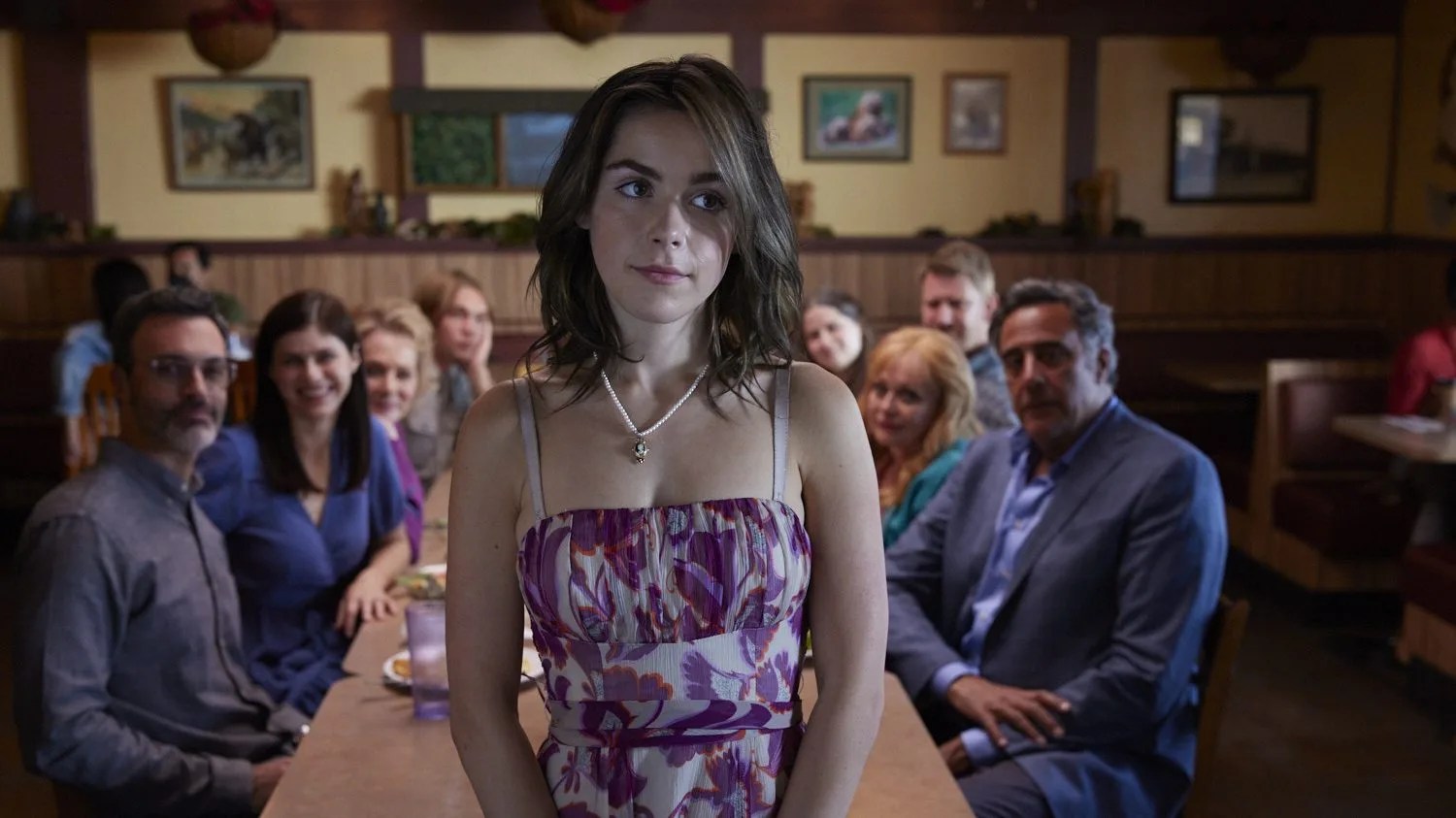
The film also challenges us to think about what we mean when we talk about “normal” families. What even is normal? Every family has their own challenges, their own dynamics, their own version of love. Bea’s family might look different from yours or mine, but the love there is just as real, just as valid, just as beautiful. Maybe more so, because they’ve had to fight harder for it.
This isn’t a movie with a big soundtrack or flashy cinematography (though it’s beautifully shot in a very natural, intimate way). It’s not trying to manipulate your emotions with dramatic music cues or overwrought speeches. Instead, it earns your tears honestly, through quiet moments of real human connection.
I cried during this movie. Not ugly sobbing, but those gentle tears that come when something touches a really tender place inside you. The kind of tears that feel almost good because they’re connected to something true and meaningful.
Wildflower reminded me that strength comes in many forms. Bea is strong not because she never struggles, but because she keeps showing up with love even when it’s hard. Her parents are strong not despite their disabilities, but because they’ve built a life full of love and meaning. And that extended family – they’re strong because they’re willing to have hard conversations and make sacrifices for each other.
If you’re looking for a movie that will make you think, that will make you feel, that will remind you what really matters in life, Wildflower is a beautiful choice. It’s not an easy watch – it deals with real challenges and doesn’t shy away from showing how complicated caregiving can be. But it’s also full of warmth, humor, and hope.
This is a movie that says: families are messy and imperfect, and that’s okay. Love doesn’t mean everything is easy. It means you keep choosing each other even when it’s hard. And sometimes the bravest thing you can do is allow yourself to dream your own dreams while still honoring the people who shaped you.
Ready to Watch?

You can stream Wildflower on Hulu right now!
My Rating: 8.5/10
A tender, honest, and deeply moving story about the complexity of family, responsibility, and growing up. It’s quiet but powerful, and it treats its characters with the dignity and nuance they deserve. This isn’t just a movie about disability – it’s a movie about love in all its complicated, beautiful forms.
Perfect for: Anyone who’s ever felt torn between responsibility and personal dreams, people who appreciate character-driven stories, families looking for a film that celebrates different kinds of family structures, and anyone who needs a reminder that love is messy and that’s what makes it real.
Grab some tissues, settle in, and let this gentle, powerful story remind you what matters most. It’s like a warm hug that also makes you think deeply about your own life and the people you love.